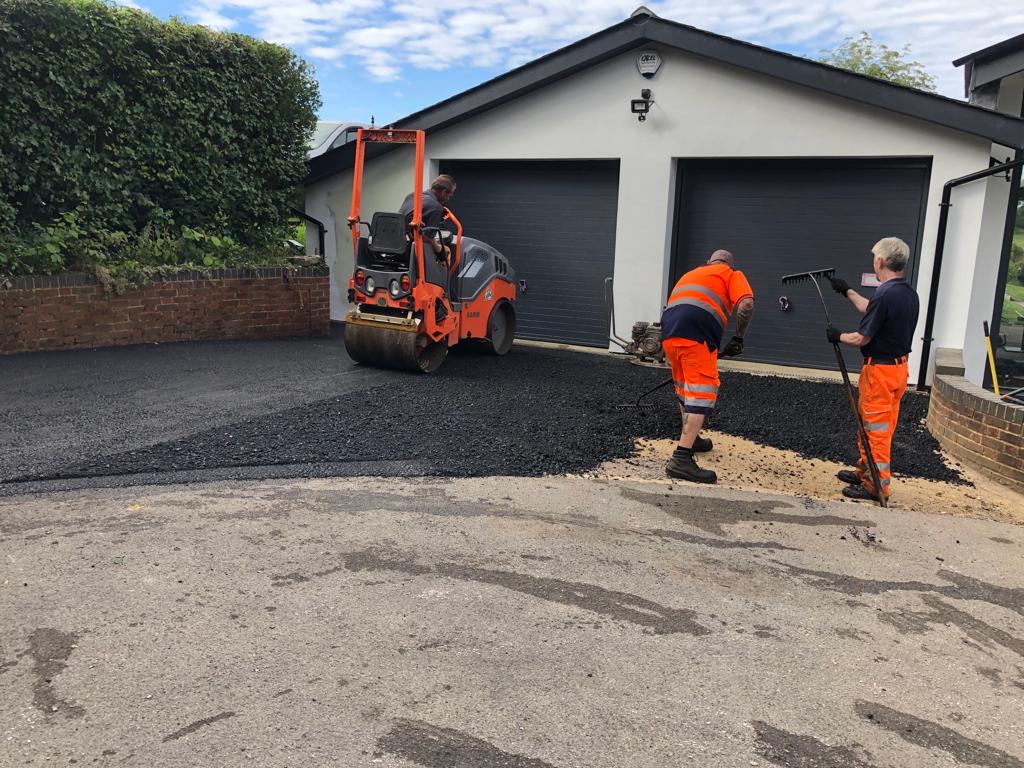
When planning a road, driveway, car park, access road, or commercial surfacing project, choosing the right asphalt material is an important decision. While both hot mix and cold mix asphalt are commonly used throughout the industry, they serve different purposes and perform differently under varying conditions.
Understanding the differences between these two materials can help property owners, businesses, and site managers make informed decisions about long-term surface performance and maintenance. At Angle Vale Road Tech SA, we regularly advise clients in Angle Vale, SA on the most suitable asphalt solutions for their specific requirements.
What Is Hot Mix Asphalt?
Hot mix asphalt is produced by heating aggregates and bitumen to high temperatures before mixing them together. The material is then transported to site while still hot and laid using specialised paving equipment.
This method creates a dense, durable surface that can withstand regular traffic loads and changing weather conditions. Once compacted correctly, hot mix asphalt forms a strong and long-lasting pavement suitable for a wide range of applications.
Common uses for hot mix asphalt include:
- Residential driveways
- Commercial car parks
- Access roads
- Industrial yards
- Private roads
- Heavy vehicle areas
Because the material is installed while hot, it bonds effectively and provides a smooth, professional finish.
What Is Cold Mix Asphalt?
Cold mix asphalt is manufactured differently. It uses emulsified or cutback bitumen, allowing the material to remain workable at ambient temperatures without the need for heating during installation.
This makes cold mix particularly useful for temporary repairs and maintenance work where a quick solution is required.
Typical applications include:
- Pothole repairs
- Temporary patching
- Emergency maintenance
- Low-traffic areas
- Short-term surface repairs
Cold mix is convenient because it can often be stored and applied without specialised paving equipment. However, it generally does not provide the same level of durability or longevity as hot mix asphalt.
The Main Differences Between Hot Mix and Cold Mix Asphalt
Although both materials contain aggregate and bitumen, their production methods and intended uses create significant differences in performance.
Durability
Hot mix asphalt is considerably more durable than cold mix. The high-temperature installation process allows for better compaction and stronger bonding between materials.
Cold mix is primarily designed as a repair material rather than a permanent surfacing solution. While effective for temporary fixes, it may deteriorate faster under regular traffic.
Strength
Hot mix asphalt can handle heavier traffic loads and repeated vehicle movements. This makes it the preferred option for roads, driveways, commercial facilities, and industrial areas.
Cold mix performs adequately for lighter-duty applications but is not typically recommended for high-traffic environments as a permanent surface.
Surface Finish
Hot mix asphalt produces a smoother and more uniform finish. The material can be laid and compacted precisely, creating an attractive and professional appearance.
Cold mix repairs often remain visible and may not blend seamlessly with surrounding pavement.
Installation Requirements
Hot mix requires specialised equipment, careful temperature control, and experienced installation teams to achieve the best results.
Cold mix can be applied more easily and quickly, making it ideal for urgent repairs when immediate action is needed.
Lifespan
A properly installed hot mix asphalt surface can provide many years of reliable service when maintained appropriately.
Cold mix repairs are generally intended to restore usability until a more permanent repair or resurfacing solution can be completed.
When Is Hot Mix Asphalt the Better Choice?
For most new surfacing and resurfacing projects, hot mix asphalt offers the best long-term performance.
It is particularly suitable when:
- Constructing new driveways
- Resurfacing ageing asphalt
- Building commercial car parks
- Improving access roads
- Upgrading industrial surfaces
- Creating durable traffic areas
The strength and longevity of hot mix asphalt often make it the preferred choice for property owners seeking a reliable pavement solution.
When Does Cold Mix Make Sense?
Cold mix asphalt remains a valuable product when immediate repairs are required.
Situations where cold mix can be beneficial include:
- Emergency pothole repairs
- Temporary patching before resurfacing
- Maintaining access until permanent works are scheduled
- Repairing isolated defects in low-traffic areas
Used correctly, cold mix can help prevent further deterioration while a long-term solution is planned.
Why Professional Assessment Matters
Every site is different. Factors such as traffic volume, drainage, pavement condition, intended use, and environmental exposure all influence which asphalt solution is most appropriate.
A professional assessment can identify underlying pavement issues that may not be visible on the surface. In some cases, what appears to be a simple repair may indicate deeper structural concerns requiring a more comprehensive approach.
Working with experienced asphalt professionals helps ensure that the selected material delivers the performance and durability required for the site.
Conclusion
Both hot mix and cold mix asphalt have important roles within the surfacing industry, but they are designed for different purposes. Hot mix asphalt is typically the preferred choice for new surfaces and long-term resurfacing projects due to its durability, strength, and professional finish. Cold mix asphalt is most effective as a temporary repair solution that restores functionality until permanent works can be completed.
If you are considering asphalt resurfacing or repairs in Angle Vale, SA, the team at Angle Vale Road Tech SA can provide expert advice on the most suitable solution for your property. A professional assessment ensures the right material is selected to achieve lasting performance and a high-quality finish.
Call us on: 08 5122 4216
Click here to find out more about Angle Vale Road Tech SA
Click here to complete our contact form and see how we can help with your roofing needs.