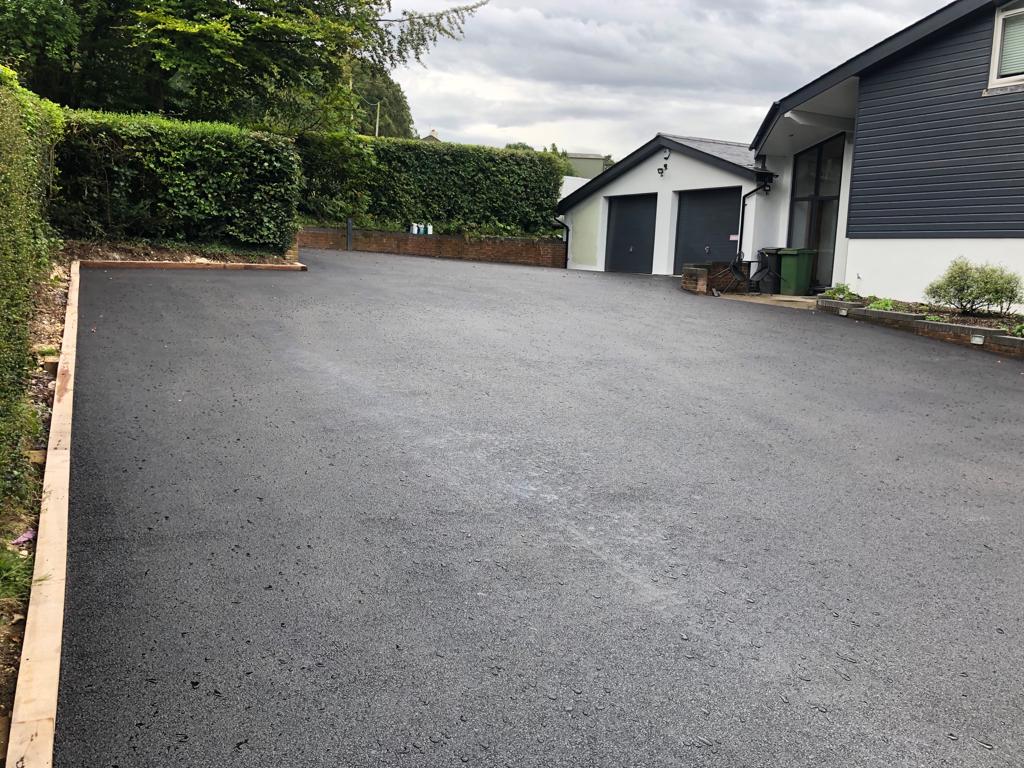
Large outdoor surfaces have very different requirements from smaller residential areas. Whether the space is used for vehicle movement, parking, equipment access or general property operations, the pavement needs to provide consistent support across a substantial area while coping with regular traffic and exposure to the elements.
Asphalt is widely used for these applications because it combines strength, flexibility and a smooth finished surface with the ability to cover extensive areas efficiently. For property owners and businesses in Angle Vale, SA, a properly constructed asphalt surface can provide a practical way to turn large outdoor areas into durable, functional spaces.
Asphalt Creates a Consistent Surface Across Large Areas
One of the challenges with a large outdoor area is maintaining consistent ground conditions. Unsealed surfaces can develop loose sections, wheel tracks, depressions and other irregularities as vehicles repeatedly travel across them.
Asphalt creates a continuous, consolidated surface. When the underlying pavement has been correctly prepared, this provides more predictable conditions across the entire area.
For sites where vehicles frequently enter, leave, turn or park, that consistency can make the space considerably easier to use.
It Can Be Designed Around the Intended Traffic
Not every large asphalt area needs to perform in the same way. Some surfaces primarily accommodate passenger vehicles, while others may regularly support trucks, machinery or other heavier loads.
The pavement therefore needs to be designed around how the area will actually be used. Important considerations include traffic frequency, vehicle weight, turning movements and locations where vehicles may remain stationary.
An experienced asphalt contractor can assess these requirements and determine the preparation and pavement construction appropriate for the site. This is particularly important for larger areas because weaknesses in the underlying structure can eventually affect significant sections of the finished surface.
A Strong Base Supports Long-Term Performance
Although asphalt is the visible part of the pavement, its performance depends heavily on what lies underneath.
Before asphalt is laid, the ground needs to be prepared so that the pavement has a stable and well-compacted foundation. Unsuitable or unstable areas may need attention, and the base must be capable of distributing traffic loads effectively.
Poor preparation can result in settlement, rutting, cracking and other forms of premature deterioration. Investing effort in the foundation helps the finished asphalt perform more consistently across a large surface.
Asphalt Provides Smooth Vehicle Movement
Large outdoor areas are often designed around vehicle movement. Rough, loose or uneven surfaces can make manoeuvring more difficult, particularly where vehicles need to turn frequently or move between different parts of a site.
A professionally laid asphalt surface provides a relatively smooth and uniform driving area. This can improve access and make everyday vehicle movements more straightforward.
The benefit is not limited to driving comfort. A consistent surface can also make the overall layout of a large vehicle area more practical and organised.
It Helps Control Dust and Loose Material
Large unsealed areas can generate considerable dust, particularly when they experience regular vehicle traffic. Loose aggregate may also migrate into surrounding areas or become displaced where vehicles brake and turn.
Asphalt creates a bound surface that substantially reduces these problems. Rather than continually disturbing loose material, vehicles travel across a stable pavement.
For properties in Angle Vale where an outdoor area is used frequently, reducing dust and loose material can improve both usability and general site presentation.
Drainage Can Be Incorporated Into the Surface Design
Water management is especially important across large paved areas. Even relatively small errors in surface levels can result in significant quantities of water collecting in low points.
Standing water can interfere with the use of the site and, where moisture finds a route into the pavement, contribute to deterioration of the supporting layers.
Professional asphalt construction considers drainage from the beginning. Correct grading establishes appropriate falls so that surface water can be directed towards suitable drainage points rather than remaining on the pavement.
Good drainage does not simply improve the surface during wet conditions; it also plays an important role in protecting the pavement over time.
Asphalt Can Withstand Regular Operational Use
Large outdoor surfaces may be subjected to repeated braking, acceleration, turning and stationary loads. These movements can place considerable stress on a pavement, particularly around entrances, turning areas and frequently used traffic routes.
Asphalt has a degree of flexibility that allows a properly designed pavement to accommodate normal loading and minor movement while retaining a durable wearing surface.
The key is ensuring that the pavement structure matches the expected use. Asphalt itself cannot compensate for an inadequate base or a surface that has not been designed for the traffic it receives.
Damaged Areas Can Be Addressed as They Develop
No outdoor pavement is maintenance-free. Traffic, weathering and ageing will gradually affect even a well-built asphalt surface.
One advantage of asphalt is that isolated deterioration can often be addressed before it spreads across the wider pavement. Cracks, potholes or worn sections should be investigated promptly, particularly where they allow water to penetrate below the surface.
Routine inspection gives property owners an opportunity to identify developing issues while they are still localised. This can help protect the condition of the wider asphalt area.
It Creates a Neat, Defined Outdoor Space
Surfacing a large area can significantly change how a property functions and looks. Asphalt replaces irregular ground with a clearly defined surface, creating a more organised appearance.
For commercial and operational sites, this can make vehicle areas easier to understand and use. On larger private properties, asphalt can similarly create a cleaner distinction between access areas and the surrounding land.
The result is not simply cosmetic. A defined, stable surface can make the available outdoor space considerably more practical.
Professional Installation Is Particularly Important on Large Surfaces
The larger the pavement, the more important accurate preparation and installation become. Levels, drainage, compaction and asphalt placement need to remain consistent across the entire area.
Before work begins, the existing ground should be assessed alongside the intended use of the site. This allows decisions about preparation, grading and pavement construction to be based on actual conditions rather than applying the same approach to every project.
Professional installation also helps identify potential problems before they become hidden beneath the completed asphalt.
Conclusion
Asphalt is a popular choice for large outdoor surfaces because it provides a strong, smooth and adaptable pavement that can be designed around different traffic and operational requirements. It can reduce dust, improve vehicle movement, support effective drainage and create a more functional outdoor area.
However, the quality of the finished surface depends heavily on correct preparation, pavement design and installation. A well-built base and appropriate drainage are just as important as the asphalt itself.
For property owners and businesses in Angle Vale, SA, Angle Vale Road Tech SA provides professional asphalt and bitumen resurfacing services for a range of outdoor surfaces. If you are considering upgrading a large vehicle or access area, contact our team to discuss the condition of your site and the most appropriate approach for its intended use.
Call us on: 08 5122 4216
Click here to find out more about Angle Vale Road Tech SA
Click here to complete our contact form and see how we can help with your roofing needs.